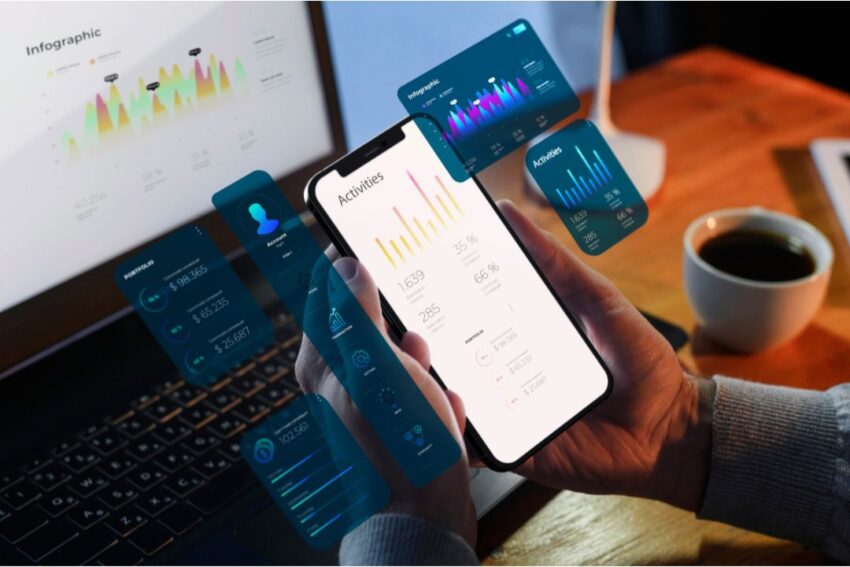
Section 1: Introduction to Smartphone Apps
In the modern digital era, the term “smartphone apps” has become an integral part of everyday life. From checking the weather to managing finances, connecting with friends, or even monitoring personal health, smartphone applications, commonly referred to as apps, have transformed how humans interact with technology. These apps are essentially software programs designed to run on mobile devices, enabling users to perform a vast array of tasks with efficiency and convenience that was unimaginable a few decades ago.
Defining Smartphone Apps
At its core, a smartphone app is a software application specifically designed to operate on mobile devices such as smartphones and tablets. Unlike traditional computer software that runs on desktops or laptops, smartphone apps are optimized for touch interfaces and portable use. They can range from simple utilities like calculators and calendars to complex platforms like social media networks, financial management tools, or gaming environments.
The rise of apps is directly tied to the proliferation of smartphones themselves. With the launch of devices like Apple’s iPhone in 2007 and Google’s Android platform shortly thereafter, the world entered an era where handheld computers became ubiquitous. The convenience of carrying a multipurpose digital tool in one’s pocket created the ideal environment for apps to thrive.
The Importance of Apps in Daily Life
Smartphone apps have become essential because they simplify, organize, and enhance daily activities. Consider a typical day in the life of an average smartphone user:
- Communication: Messaging apps like WhatsApp, Telegram, and Messenger allow instant communication across continents. Video calling apps like Zoom and Google Meet have revolutionized remote communication for both professional and personal purposes.
- Entertainment: Streaming platforms such as Netflix, Spotify, and YouTube provide on-demand entertainment at the touch of a finger. Gaming apps offer immersive experiences from casual puzzles to competitive esports.
- Productivity: Task management, note-taking, and calendar apps like Microsoft To-Do, Notion, or Google Calendar help individuals stay organized and maximize efficiency.
- Health and Fitness: Fitness trackers, meditation apps, and nutrition planners empower users to maintain a healthier lifestyle by monitoring exercise, diet, and mental wellness.
- Commerce and Finance: Mobile banking apps, digital wallets, and shopping apps like PayPal, Venmo, Amazon, and eBay have revolutionized how people handle transactions, shop, and manage finances.
The above examples illustrate that smartphone apps have permeated nearly every aspect of modern life. They are no longer merely optional tools but have become indispensable companions for individuals and businesses alike.
The Evolution of User Interaction
Smartphone apps also transformed the way humans interact with technology. Traditional desktop software often required specialized knowledge and was limited by static interfaces. In contrast, apps are designed with intuitive, touch-based controls, personalized recommendations, and seamless connectivity. Features like push notifications, real-time updates, and AI-driven suggestions have redefined user engagement. The simplicity of downloading an app from an app store and immediately benefiting from its functionality has contributed significantly to their mass adoption.
Moreover, the concept of mobile-first design emphasizes creating applications that prioritize user experience on small screens rather than adapting desktop interfaces for mobile use. This approach has led to innovations in interface design, accessibility, and overall usability, making technology approachable for users of all ages and technical skill levels.
Economic and Cultural Impact
Smartphone apps are not just technological tools; they are significant economic drivers. The app economy, which includes app development, marketing, monetization, and support services, contributes billions of dollars annually worldwide. Major companies, startups, and independent developers all participate in this ecosystem, constantly innovating to meet evolving consumer needs.
Culturally, apps have reshaped social interaction and lifestyle habits. Social media apps influence communication patterns and information sharing, while entertainment apps shape how people consume media. Educational apps make learning accessible beyond traditional classrooms, democratizing knowledge globally. Apps have essentially created a culture where information, services, and entertainment are available on-demand, redefining societal expectations regarding speed, convenience, and connectivity.
Challenges and Considerations
Despite their benefits, smartphone apps come with challenges. Privacy and data security are major concerns, as many apps collect sensitive personal information. Overreliance on apps can also impact mental health, leading to increased screen time and decreased face-to-face interactions. Additionally, the proliferation of apps has created an overwhelming marketplace where quality and reliability vary widely, making it essential for users to choose carefully and for developers to adhere to high standards.
Conclusion of Introduction
In summary, smartphone apps have evolved from simple utilities into powerful tools that shape nearly every facet of modern life. They provide convenience, enhance productivity, facilitate communication, and create economic opportunities while also raising important questions about privacy, security, and digital well-being. Understanding smartphone apps requires not just an appreciation of their functionality but also a recognition of their societal, cultural, and economic impact. As this article progresses, we will explore the history, types, development, monetization strategies, societal effects, and future trends of smartphone apps, offering a comprehensive guide for anyone interested in the world of mobile technology.
FAQs: Introduction to Smartphone Apps
1. What is a smartphone app?
A smartphone app is a software program designed specifically to run on mobile devices like smartphones and tablets. Unlike traditional desktop software, apps are optimized for touchscreens, portability, and mobile connectivity. They can serve various purposes, including communication, productivity, entertainment, finance, health, and education.
2. How are smartphone apps different from regular computer software?
Smartphone apps are designed for mobile devices, which usually have smaller screens, touch interfaces, and less processing power than computers. They are typically lightweight, user-friendly, and focused on specific tasks or services. Desktop software often offers more advanced features but may require technical expertise and is less portable.
3. Why are smartphone apps so popular?
Apps offer convenience, accessibility, and efficiency. Users can perform tasks quickly, stay connected, entertain themselves, or manage personal and professional activities from anywhere. Features like push notifications, instant updates, and easy downloads contribute to their mass adoption.
4. What are some common types of smartphone apps?
Some common types include:
- Communication apps: WhatsApp, Messenger
- Social media apps: Instagram, TikTok
- Productivity apps: Google Calendar, Notion
- Gaming apps: PUBG Mobile, Candy Crush
- Health and fitness apps: MyFitnessPal, Headspace
- Finance apps: PayPal, Venmo
5. How do smartphone apps impact daily life?
Apps have transformed how we communicate, work, learn, shop, and entertain ourselves. They increase productivity, provide real-time information, facilitate online transactions, and even help users monitor health and lifestyle habits.