Part 1: Introduction to iOS Apps
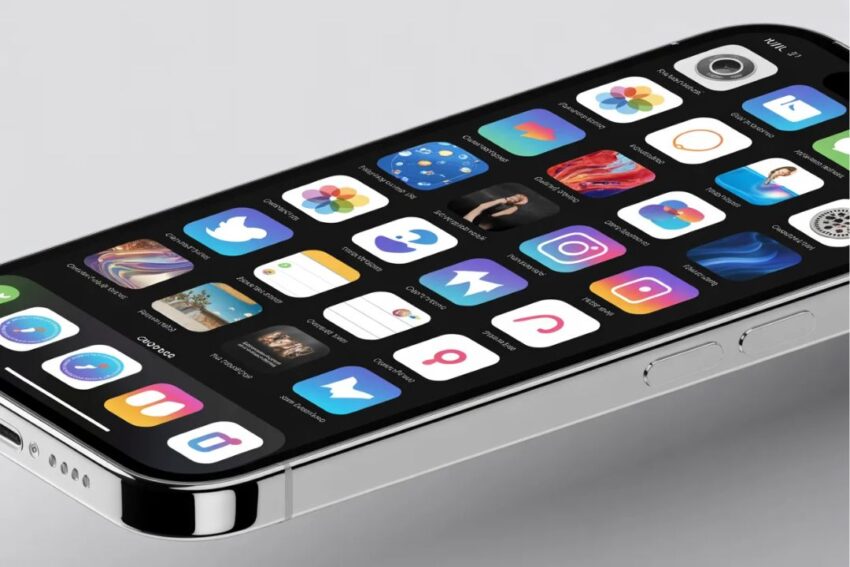
In the era of smartphones, iOS apps have become more than just tools—they are essential components of modern life. Whether it’s for communication, productivity, entertainment, education, or health, iOS apps empower users to perform tasks more efficiently, stay connected, and enjoy personalized experiences on their Apple devices. Understanding the world of iOS apps requires a look at their history, development, and impact on both users and businesses.
What Are iOS Apps?
iOS apps are software applications specifically designed to run on Apple devices such as iPhones, iPads, and iPod Touch. Unlike generic mobile apps, iOS apps are optimized for Apple’s ecosystem, ensuring smooth performance, security, and seamless integration with other Apple products like Apple Watch, Mac, and Apple TV.
These apps can be downloaded from the Apple App Store, a digital distribution platform that serves as the official marketplace for iOS applications. Developers build iOS apps using programming languages such as Swift and Objective-C, which are tailored to leverage the unique capabilities of Apple’s hardware and software ecosystem.
Some iOS apps are free, while others are paid or follow subscription models. Many apps also use in-app purchases or advertising for monetization. The App Store is home to millions of apps, spanning categories from gaming and entertainment to business and education.
A Brief History of iOS Apps
The journey of iOS apps began with the launch of the iPhone in 2007, followed by the introduction of the App Store in 2008. Initially, Apple allowed only web-based apps, but Steve Jobs’ vision of a vibrant app ecosystem led to the creation of a platform for native apps. The launch of the App Store revolutionized mobile computing, offering developers a global marketplace and users a variety of applications at their fingertips.
Over the years, iOS apps have evolved significantly. Early apps were simple utilities, games, or basic tools. Today, they include advanced functionalities like augmented reality (AR), artificial intelligence (AI), machine learning, and IoT integration, reflecting the rapid technological progress and growing expectations of users.
Importance of iOS Apps
iOS apps are more than just software—they are catalysts for innovation, efficiency, and convenience. They hold significance in multiple areas:
1. For Users
- Enhanced Productivity: Apps like Microsoft Office, Notion, and Todoist help users manage tasks, schedules, and projects efficiently.
- Entertainment & Leisure: Streaming apps, games, and social media platforms provide endless entertainment opportunities.
- Health & Fitness: Apps like MyFitnessPal, Calm, and Apple Health monitor fitness, sleep, and mental wellness.
- Learning & Development: Educational apps such as Duolingo, Coursera, and Khan Academy make learning accessible anytime, anywhere.
2. For Businesses
- Digital Presence: Companies can reach millions of users worldwide through the App Store.
- Customer Engagement: Apps enable personalized interaction, loyalty programs, and push notifications to keep users engaged.
- Revenue Generation: Businesses can monetize apps through subscriptions, in-app purchases, or advertising.
- Operational Efficiency: Internal business apps streamline communication, project management, and workflow processes.
The iOS App Ecosystem
The iOS ecosystem is unique because it connects multiple devices through a seamless experience. For instance, an app designed for the iPhone can often synchronize with the iPad, Apple Watch, or Mac, providing continuity across devices. Features such as Handoff, iCloud, and Apple Pay enhance this ecosystem by integrating apps into users’ daily routines and transactions.
Apple’s strict review process ensures that apps meet quality, security, and performance standards. This commitment to excellence contributes to a reliable user experience and strengthens trust in the App Store, differentiating iOS apps from apps on other platforms.
Core Features of iOS Apps
Several features define iOS apps and make them distinct:
- User-Friendly Design: Apple emphasizes a clean, intuitive interface, which ensures apps are visually appealing and easy to navigate.
- Security: iOS apps benefit from Apple’s robust security protocols, protecting user data from malware and unauthorized access.
- Performance: Optimized for Apple hardware, iOS apps deliver smooth and fast experiences, even on older devices.
- Regular Updates: Developers can roll out updates to fix bugs, improve functionality, and introduce new features.
- Integration with Native Features: iOS apps can use the camera, GPS, sensors, Siri, and other native features, offering advanced functionality.
The Future of iOS Apps
iOS apps continue to evolve rapidly. Emerging technologies such as AI, AR/VR, IoT, and blockchain are being integrated into apps, providing richer and more interactive experiences. Additionally, trends like subscription-based monetization, personalized content, and voice-activated interfaces are shaping the next generation of iOS applications.
For developers, staying ahead in the iOS app industry requires not only technical skills but also an understanding of user behavior, market trends, and emerging technologies. For users, the ongoing innovation ensures that iOS apps remain a valuable part of their digital lives, offering convenience, entertainment, and efficiency at their fingertips.
Conclusion
The world of iOS apps is vast, dynamic, and continuously expanding. From their humble beginnings in 2008 to the sophisticated, feature-rich applications of today, iOS apps have transformed how we interact with technology. By combining performance, security, and user-centric design, iOS apps offer a seamless experience across Apple devices, making them indispensable tools for both individuals and businesses.
In the next sections, we will explore the various types of iOS apps, their development process, monetization strategies, marketing techniques, emerging trends, and the challenges developers face in this competitive ecosystem. Understanding these aspects is essential for anyone looking to build, use, or invest in iOS apps.