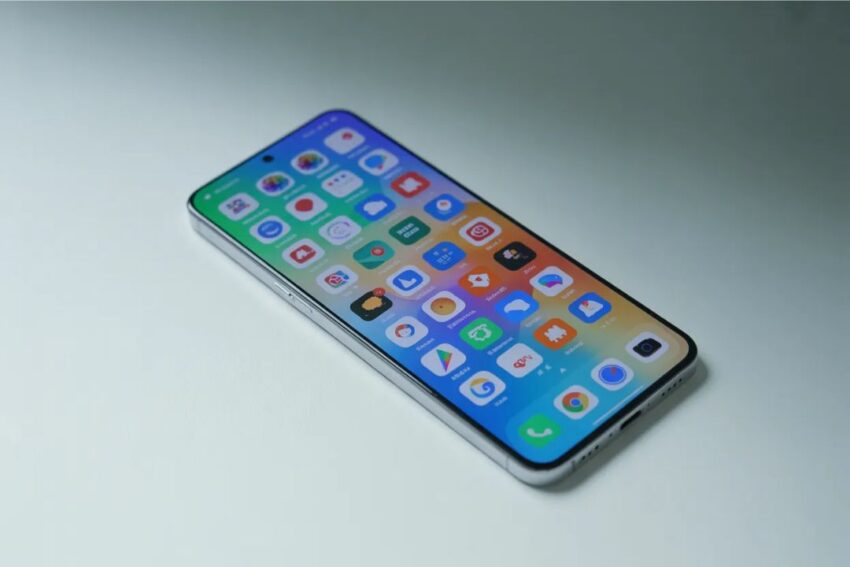
Introduction to Android Apps
Android apps are software applications created specifically for devices that run on the Android operating system. Android is developed by Google and is currently the most widely used mobile operating system in the world. Android apps help users perform daily tasks, communicate with others, learn new skills, manage businesses, and enjoy entertainment.
In today’s digital age, Android apps have become an essential part of modern life. From waking up with an alarm app to navigating roads using maps, Android apps are involved in almost every activity. Because Android devices are affordable and widely available, Android apps reach people from all walks of life across the globe.
Android apps are designed to be user-friendly, flexible, and powerful. They are available for smartphones, tablets, smart TVs, smartwatches, and even car systems. This wide usage makes Android app development one of the most important areas in the software industry.
What Is Android?
Android is an open-source operating system based on the Linux kernel. It was originally developed by Android Inc. and later acquired by Google in 2005. Google officially launched Android in 2008, and since then, it has grown rapidly.
The open-source nature of Android allows developers and manufacturers to customize the system according to their needs. This is one of the main reasons why Android is used by many companies such as Samsung, Xiaomi, Oppo, Vivo, and Google itself.
Android provides a powerful platform for developers to build applications that can access device features such as the camera, GPS, microphone, sensors, and internet connectivity. This flexibility makes Android apps highly functional and innovative.
History of Android Apps
The history of Android apps started with the first Android version released in 2008. The first Android phone, HTC Dream, came with basic apps such as a web browser, email, and maps. At that time, the app ecosystem was very limited.
With the launch of the Android Market (now known as Google Play Store), developers were able to publish their apps and reach users worldwide. Over time, Android improved its system performance, security, and user interface, which encouraged more developers to create apps.
Each new Android version introduced new features for app developers, such as better graphics, background processing, notifications, and privacy controls. Today, millions of Android apps are available, covering every possible category.
Importance of Android Apps
Android apps are important for both users and businesses. For users, apps provide convenience, speed, and accessibility. Tasks that once required physical effort can now be completed with just a few taps on a screen.
For businesses, Android apps offer a direct way to connect with customers. Companies use Android apps for online shopping, customer support, marketing, and brand promotion. Small businesses and startups also benefit from Android apps because they can reach a global audience at a low cost.
Educational institutions, hospitals, government services, and financial organizations also use Android apps to provide services efficiently. This shows how deeply Android apps are integrated into society.
Types of Android Apps
Android apps can be divided into different types based on their purpose and functionality.
1. Native Android Apps
Native Android apps are developed specifically for the Android platform using programming languages like Java or Kotlin. These apps offer high performance and full access to device features. Examples include WhatsApp, Google Maps, and Instagram.
2. Web-Based Apps
Web-based apps run inside a browser and do not require installation from the Play Store. They are built using web technologies such as HTML, CSS, and JavaScript. These apps are easier to maintain but have limited access to device features.
3. Hybrid Android Apps
Hybrid apps combine features of both native and web apps. They are developed using frameworks like Flutter, React Native, or Ionic. Hybrid apps are popular because they reduce development time and cost.
FAQs About Android Apps
1. What are Android apps?
Android apps are software applications designed to run on devices that use the Android operating system. They can help with communication, entertainment, education, business, and many other tasks.
2. What is Android?
Android is an open-source operating system developed by Google, based on the Linux kernel. It powers millions of smartphones, tablets, smart TVs, and wearable devices worldwide.
3. When was the first Android app launched?
The first Android apps were launched in 2008, alongside the release of the first Android phone, HTC Dream. Initially, apps were very basic, such as email, web browser, and maps.
4. Why are Android apps so popular?
Android apps are popular because Android devices are affordable, the platform is open-source, there’s a large user base, easy app distribution through the Google Play Store, and a strong developer community.
5. What are the types of Android apps?
There are three main types:
- Native apps: Built specifically for Android using Java or Kotlin, offering high performance.
- Web apps: Run in browsers and do not require installation, but have limited device access.
- Hybrid apps: Combine features of native and web apps, often developed using frameworks like Flutter or React Native.
Conclusion
Android apps have transformed the way people interact with technology. From communication to education and entertainment, Android apps play a vital role in everyday life. Understanding Android apps is important for users, developers, and businesses alike.